Marriage and premarital counseling: 10 questions every multicultural couple should ask
You love each other.
That part is not the problem.
The tension shows up in the in-between moments. When family expectations creep into decisions that were supposed to be just yours. When one of you wants closeness and the other needs space. When conflict feels bigger than the actual issue, but neither of you can fully explain why.
For many multicultural and first-gen couples, the hardest part of a partnership is not commitment. It carries two histories, two sets of values, and two nervous systems shaped by different rules for love, duty, and survival.
If you don't know me yet, I am Dama Perez, founder of CASA Therapy and a Latina therapist specializing in relationships in Irvine, CA.
At Casa Therapy, premarital counseling honors culture, attachment, and emotional safety. Our approach centers on couples in all forms of committed relationships, including non-traditional and multicultural partnerships. Whether you are married, engaged, long term partners, or defining your relationship in your own way, the work remains inclusive and affirming.
If you are looking for deeper support at any stage of your relationship, you can also explore couples therapy to strengthen communication, rebuild connection, and create emotional safety together.
What is marriage counseling?
Marriage counseling and couples counseling is a form of therapy that helps partners understand patterns in their relationship that create disconnection, conflict, or emotional distance. It provides a structured space where both partners can explore communication breakdowns, unresolved tension, trust issues, anxiety, or major life transitions with the support of a trained therapist.
Marriage counseling is not about assigning blame or deciding who is right. It focuses on how the relationship functions as a system and how both partners contribute, often unintentionally, to cycles that feel stuck or painful.
For many couples, counseling becomes a place to slow down, feel heard, and rebuild emotional safety.
What happens in marriage or premarital counseling?
In marriage or premarital counseling, sessions typically focus on helping couples understand their dynamic rather than fixing isolated problems.
Common areas explored include:
- Communication patterns and conflict cycles
- Emotional needs and attachment styles
- Anxiety, stress, or emotional shutdown inside the relationship
- Trust, boundaries, and expectations
- Cultural, family, or generational influences
- Life transitions such as marriage, parenthood, or career changes
Does marriage counseling work?
Research consistently shows that marriage counseling can be effective, especially when couples seek support before distress becomes severe.
According to a research on the treatment of couple distress, approximately 70 percent of couples reduce relationship distress and improve emotional connection, with gains that often last over time.
Effectiveness depends on several factors, including willingness to engage, timing, and the therapeutic approach used. Counseling is most effective when both partners feel emotionally safe enough to participate honestly.
You can explore published outcomes through organizations such as the American Psychological Association and peer reviewed journals on couples therapy and Emotionally Focused Therapy.
Marriage counseling vs premarital counseling
Both marriage counseling and premarital counseling support healthy relationships, but they serve different purposes.
Premarital counseling focuses on strengthening the foundation of the relationship before long term patterns become deeply ingrained. Couples explore values, expectations, communication styles, conflict tendencies, and potential stress points in a proactive way.
As a trained Prepare Enrich facilitator, I use the Prepare Enrich assessment when appropriate to guide premarital counseling. Prepare Enrich is one of the most widely used evidence based tools for engaged and seriously dating couples in the United States. It helps identify relationship strengths, growth areas, and personality differences, providing structured insight that makes conversations more focused and productive.
Marriage counseling, on the other hand, often centers on repair, reconnection, and healing after conflict, emotional distance, trust issues, or repeated misunderstandings.
Goals for premarital counseling
- Strengthens communication and emotional awareness early
- Identifies potential challenges before they escalate
- Builds shared tools for conflict and stress
Goals for marriage counseling
- Addresses existing conflict, distance, or emotional pain
- Supports repair after trust issues or repeated patterns
- Helps couples navigate stress, anxiety, or life changes together
Why multicultural and first-gen couples face unique challenges
Loving across cultures often means navigating invisible dynamics that are not addressed in traditional relationship advice.You may be balancing:
- Two definitions of partnership
- Different expectations around gender roles
- Unspoken family loyalty and obligation
- Conflicting ideas of independence and closeness
Many couples tell themselves, “We are just different,” without realizing that anxiety, shame, or emotional withdrawal are creating further disconnection.
Marriage counseling as a space for curiosity, not conflict
Couples therapy is often used as a last resort. In reality, marriage counseling works best when it is approached with curiosity rather than blame.
In counseling, the goal is not to decide who is right. It is to understand what shaped each of you. A culturally responsive therapist helps translate meaning, not just words, so partners can hear what is underneath defensiveness, silence, or frustration.
The work centers on emotional awareness, attachment patterns, and nervous system regulation. When partners feel safe, communication shifts naturally.
Ten questions every multicultural couple should ask
These questions are not meant to create conflict. They are meant to create clarity.
1. What does partnership mean to each of us?
This reveals cultural beliefs about equality, responsibility, and sacrifice.
2. How do we each show love and respect?
Love languages are often shaped by family and culture, not personality.
3. How do our families influence our relationship?
First-gen couples often carry invisible generational expectations.
4. How do we handle conflict or silence?
Some families teach confrontation, others teach avoidance.
5. What happens when one of us feels unseen?
This surfaces emotional needs before resentment builds.
6. How do we define success as a couple?
Ambition, rest, and stability may mean different things to each partner.
7. What boundaries do we want with extended family?
Clear boundaries protect the relationship, not family harmony.
8. What fears do we bring into commitment?
Fear often hides behind control or withdrawal.
9. How do we hold space for our differences?
Difference does not have to mean distance.
10. What does healing look like for us individually and together?
Growth is not something one partner carries alone.
How premarital counseling builds a strong foundation
Couples learn how to talk about money, sex, boundaries, and family roles with curiosity instead of avoidance. They practice emotional regulation so disagreements do not escalate into shutdown or defensiveness.
Communication in marriage counseling: being heard, not just right
Listening beyond defensiveness
When partners learn to regulate their nervous systems, listening becomes possible. Counseling teaches tools for pausing, reflecting, and responding rather than reacting.
Understanding triggers and patterns
Many reactions are rooted in childhood or cultural wiring, not intention. Therapy helps couples recognize patterns without turning them into character attacks.
The power of repair
Healthy couples are not conflict-free. They are skilled at reconnection. Repair is what builds long-term safety.
When to seek marriage or premarital counseling
Counseling can be helpful if you are
- Preparing for marriage and want an intentional partnership
- Married but feeling distant or reactive
- Struggling with family boundaries or cultural expectations
- Repeating the same conflicts without resolution
Love is a practice
Healing as a couple means learning to love in your partner’s language, not just your own. The strongest relationships are not built by avoiding conflict, but by repairing with empathy and care.
You do not have to navigate this alone.Couples therapy in Irvine, CAis not about perfection. It is about showing up and leaning in.
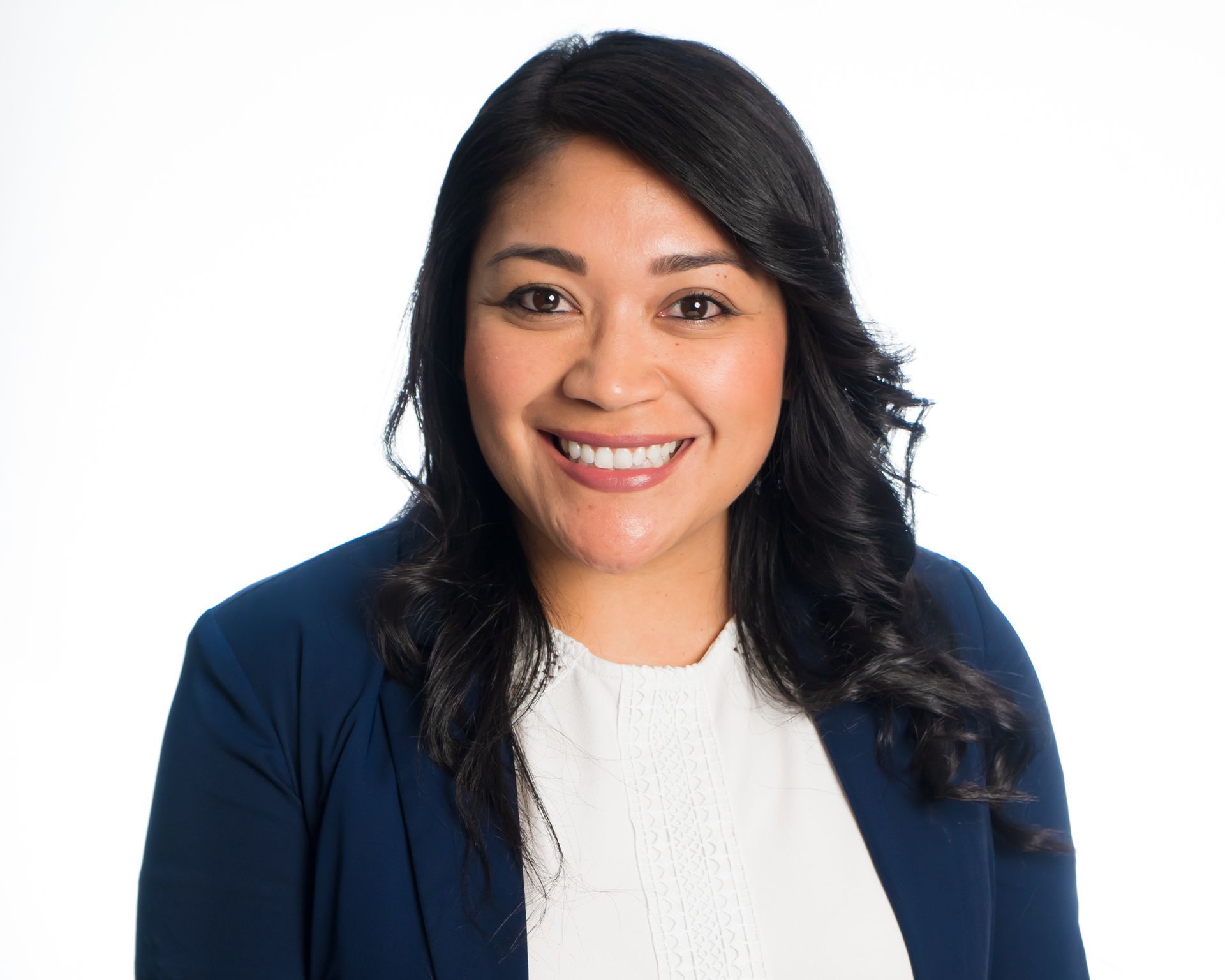
Hi, I´m Dama Pérez
Licensed Marriage and Family Therapist, Certified Grief Educator, and founder of CASA Therapy.
I'm trained in Emotion Focused Therapy for both couples and individuals. I firmly believe that love can be healing when both people are willing to do the work.
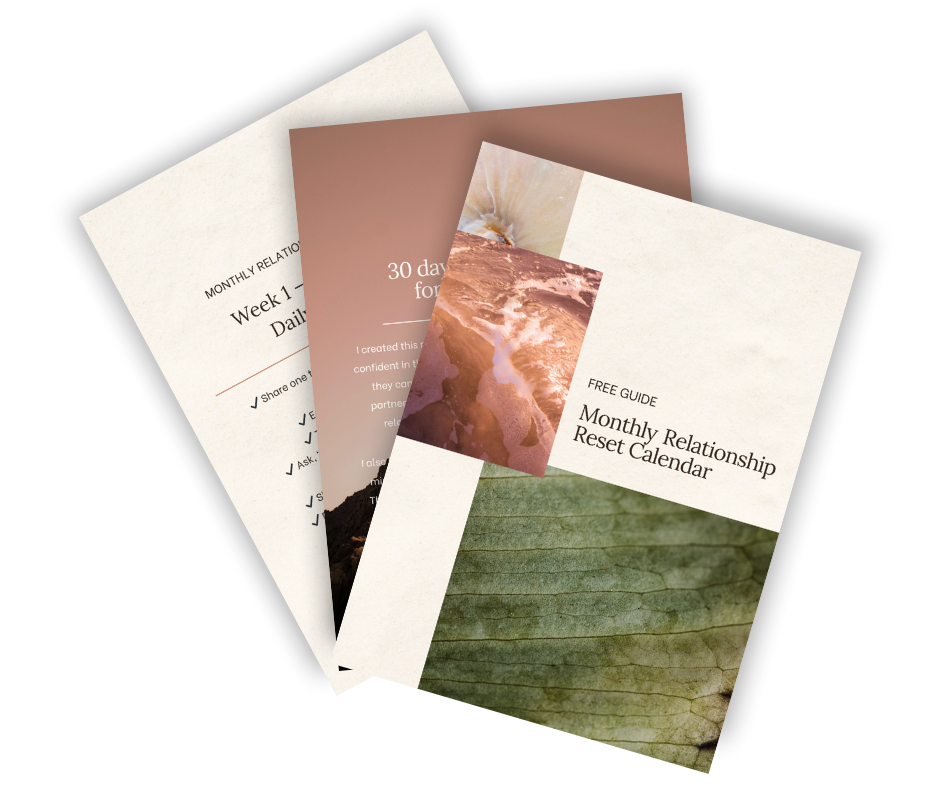
Download my free guide